
Finding Morrisville Residents by Record
Morrisville has no single official household roll. The useful trail changes with the starting fact. A street number belongs first in Wake Real Estate Search or the Town map layers. A full name can be tested in the voter lookup, the Register of Deeds index, and the court portal. For an older address, Olivia Raney Local History Library is the local shelf to pair with county deeds and maps. Most Town addresses are in Wake County, but the mailing area reaches Durham County, so confirm the parcel's county before requesting a deed, court file, or vital copy.
Each result answers a narrow question. A parcel record may connect an owner to a mapped lot, while a voter match confirms registration context rather than everyone in a household. A deed identifies recorded parties and a transfer date, not day-to-day occupancy. Keep the name spelling, county, source date, and record number together. That small habit makes it far easier to decide whether two entries refer to the same person.
- Confirm the address, county, and parcel identifiers in the Wake real-estate system or Town map service.
- Use the NCSBE Voter Registration Lookup for a named person's status and jurisdiction.
- Search the Wake Register of Deeds index for the recorded-party trail.
- Check the court portal, vital custodian, or library collection that fits the date and kind of record.
- Send a focused request to the Town Clerk, Clerk of Superior Court, Register of Deeds, or archive when the online index ends.
Morrisville Resident Records Offices
Record custody follows the subject, not the Town name. Wake County Register of Deeds keeps the title and recorded-instrument trail. Wake's real-estate tools begin the parcel route. The State Board of Elections supplies the public voter lookup. The Wake Clerk holds court files and estate material behind the eCourts index. The Town Clerk is the municipal route for a defined Morrisville record, such as a planning or permit file. For a street-by-street sequence from an address to a deed, use the Morrisville by-street directory.
Wake County Recorder / Register of Deeds
Deeds, plats, liens, and Wake marriage records
Legacy index: July 1785 to April 17, 2025
Wake Real Estate Search / iMAPS
Owner, address, REID, PIN, and parcel route
(919) 856-5400
North Carolina State Board of Elections
Registration status, jurisdiction, and voting history
Public fields exclude sensitive identifiers
Morrisville Parcel Records by Address
Wake Real Estate Search and iMAPS are the starting point for an address connected to a Wake parcel. The documented address mode asks for a street number and street name, without the street type, then offers a street list when a name is partial or ambiguous. Owner mode requires a last name for an individual, while REID and PIN offer alternatives when an address has changed. Save the exact identifier and the date searched. The county warns that its real-estate data changes daily and carries no warranty.
| Wake search field | Use in a Morrisville search |
|---|---|
| Owner last name | Required for individual-owner mode; first and middle fields narrow results. |
| Street number and name | Use the location-address mode; leave off the street type. |
| REID | Search the numeric real-estate identifier when the address is uncertain. |
| PIN | Use map, scale, block, and lot components; scale is not part of the ten-digit PIN. |
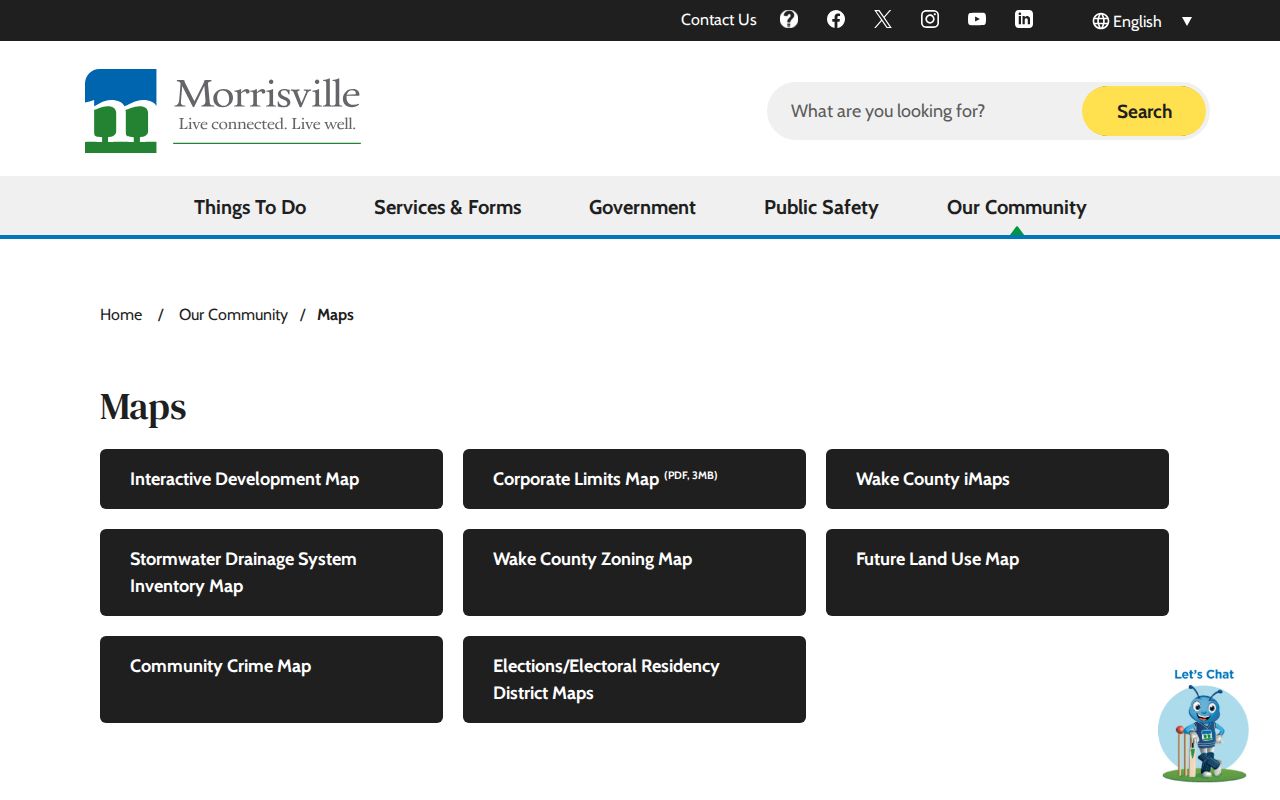
The Morrisville map hub adds corporate limits, streets, zoning, and county-line context. It helps decide whether an address really belongs in Wake custody or needs a Durham route. Parcel geometry tells where land is; the tax search provides the ownership context. Neither source is a list of all people at the address.
See the Town Maps source before using the parcel layers.
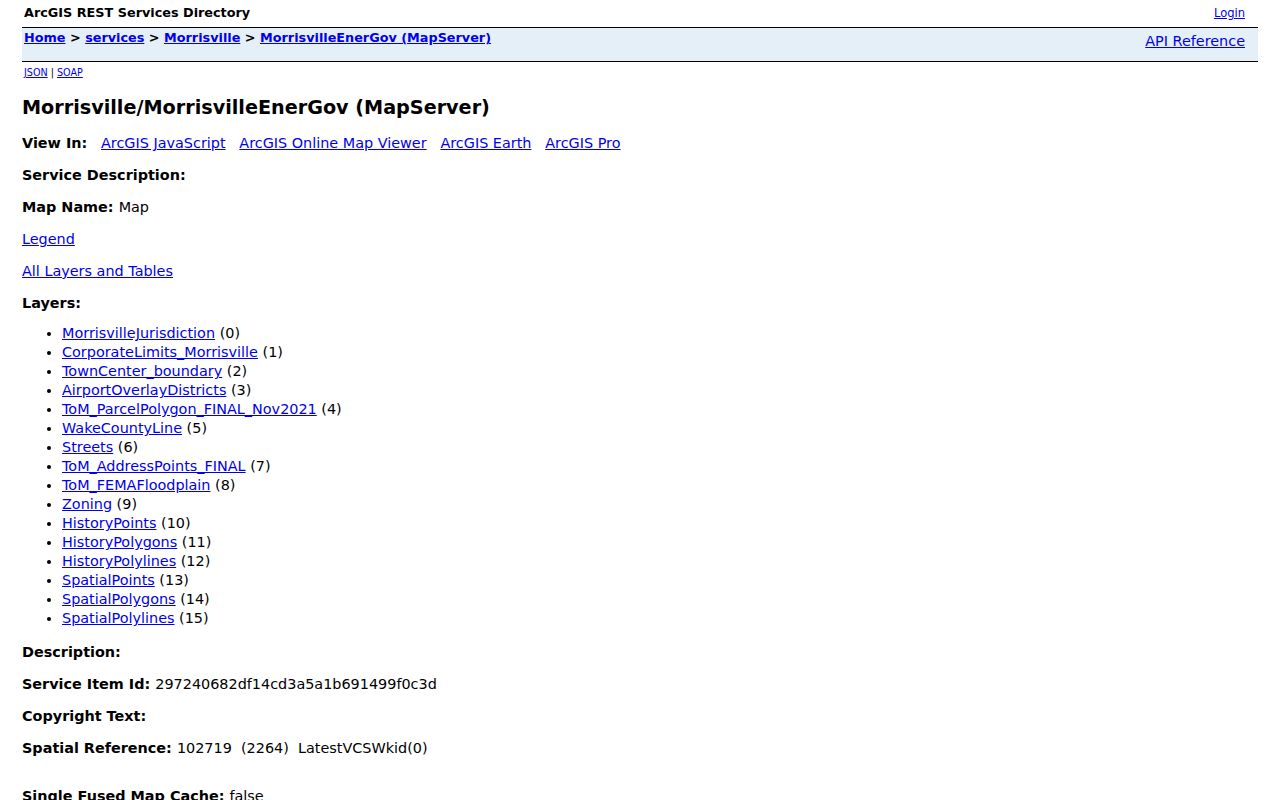
The Morrisville GIS service directory exposes parcel, address-point, zoning, floodplain, airport-overlay, and jurisdiction layers.
Morrisville Voter Status Is Not a Household List
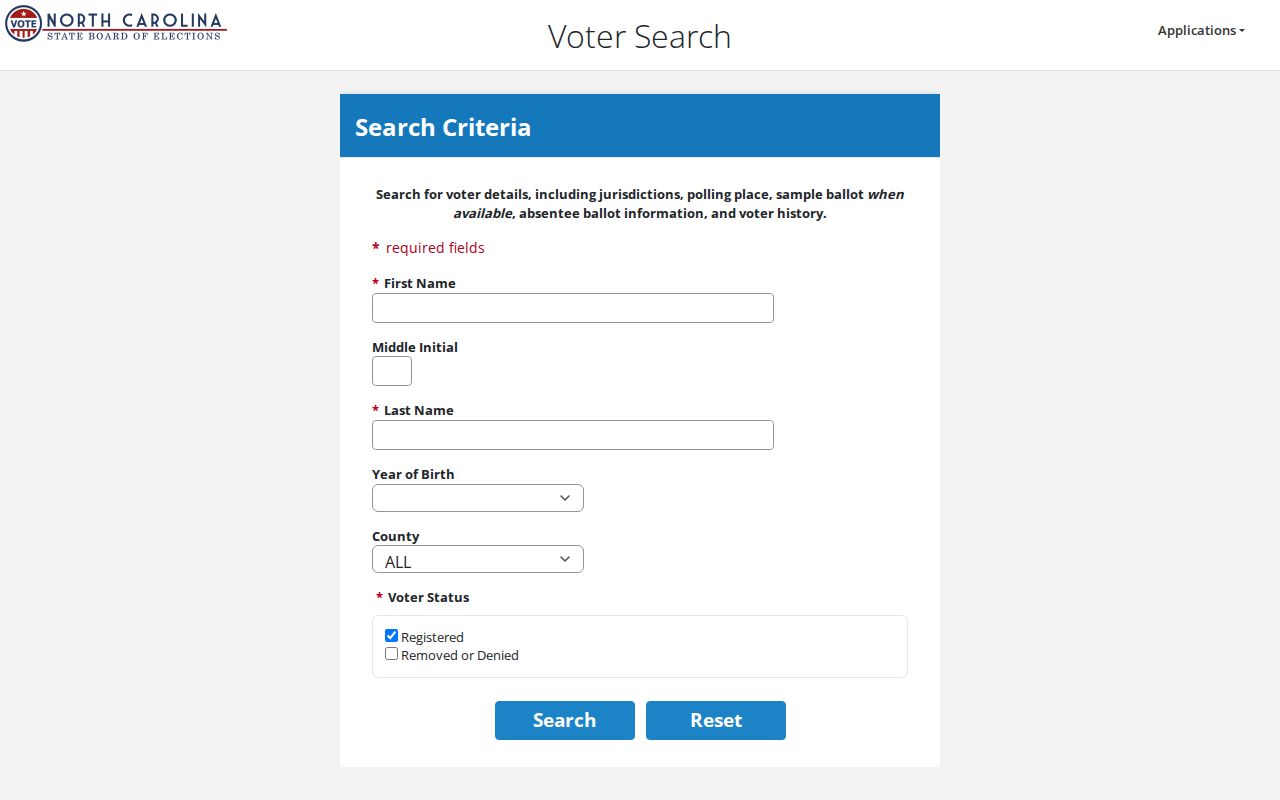
The public voter search is useful when a full name is already known. It asks for first and last name, lets a searcher add a middle initial, year of birth, county, and status, and can return registration jurisdiction, polling place, a sample ballot when available, absentee information, and voting history. Most Morrisville searches begin with Wake, but a Durham selection may be appropriate at the mailing-area edge. A non-match can reflect spelling, status, a recent change, a county choice, or a protected address.
North Carolina law makes voter-registration lists available, while withholding full birth dates, Social Security numbers, driver-license numbers, protected addresses, and other sensitive fields. Participation history does not reveal ballot choices. The public form is person-oriented, so it cannot produce a reliable street or ZIP roster. That distinction matters when a parcel shows an owner whose mailing address is elsewhere.
Use the official voter-lookup form to confirm status and jurisdiction.
Wake Deeds Add Dates to Morrisville Names
A Register of Deeds index is a recorded-transaction trail, not a resident roll. Begin with the current owner and legal description from the parcel search. Search that owner as a grantee to locate the acquisition deed, then read the seller or grantor and search that name as an earlier grantee. A street address can fail when a road label changes, so subdivision, lot, map, and legal-description terms are useful backstops. Plats add the lot and right-of-way context a mailing label cannot supply.
Wake's legacy index covers July 1785 through April 17, 2025. The Register announced a new Records Management application for later documents, which means a current chain may require both routes. The legacy form supports document type, grantor or grantee, date range, book and page, and a Sounds Like option. Its own disclaimer compares the index to a library catalog: use it to find the recorded instrument, then confirm what the instrument says.
- Parcel
- A defined piece of land mapped and identified by the county.
- Index
- A searchable catalog pointing to a record, not necessarily the complete record itself.
- Grantor and grantee
- The party conveying an interest and the party receiving it in a recorded instrument.
- Criss-cross directory
- A printed reverse directory organized from address to listed name.
Note: Record both the legacy and new-application search date when a Morrisville deed trail spans the 2025 transition.
Current Morrisville Resident Directories
Current Morrisville directory work means combining several narrow official sources. The property system can show a parcel owner and the situs or mailing address tied to tax records. The voter lookup can confirm a named registrant's status and election context. Deeds identify people who signed or received recorded instruments. Court, vital, business, and license records each answer a more limited question. Treat dates and roles as part of every result, because a purchaser, registered voter, officer, and court party may describe different snapshots.
| Source | Who It Lists | Keeper | Access |
|---|---|---|---|
| Wake real-estate system | Parcel owners and address context | Wake County | Online guide and search route |
| NCSBE voter lookup | Named registered voters | State Board of Elections | Free name/status lookup |
| Wake deed index | Recorded instrument parties | Register of Deeds | Legacy and newer applications |
| Town permits and requests | Address-linked municipal records | Town of Morrisville | Portal or targeted request |
| Olivia Raney holdings | Historical directory and map entries | Wake library system | Reference, noncirculating |
The best source depends on whether the goal is a parcel link, a current status check, a recorded transaction, or a historical household clue. A one-person workflow should check identity, county, and date before treating a result as a match.
| Official route | Commercial people-finder category |
|---|---|
| Has a named custodian, defined record scope, and a counter or request fallback. | Can combine stale or mismatched data from varied sources and should be treated only as a lead. |
| Lets a researcher check the source date, jurisdiction, and underlying record. | May omit the original source, merge same-name people, or preserve an older address. |
Morrisville Court Results Need Verification
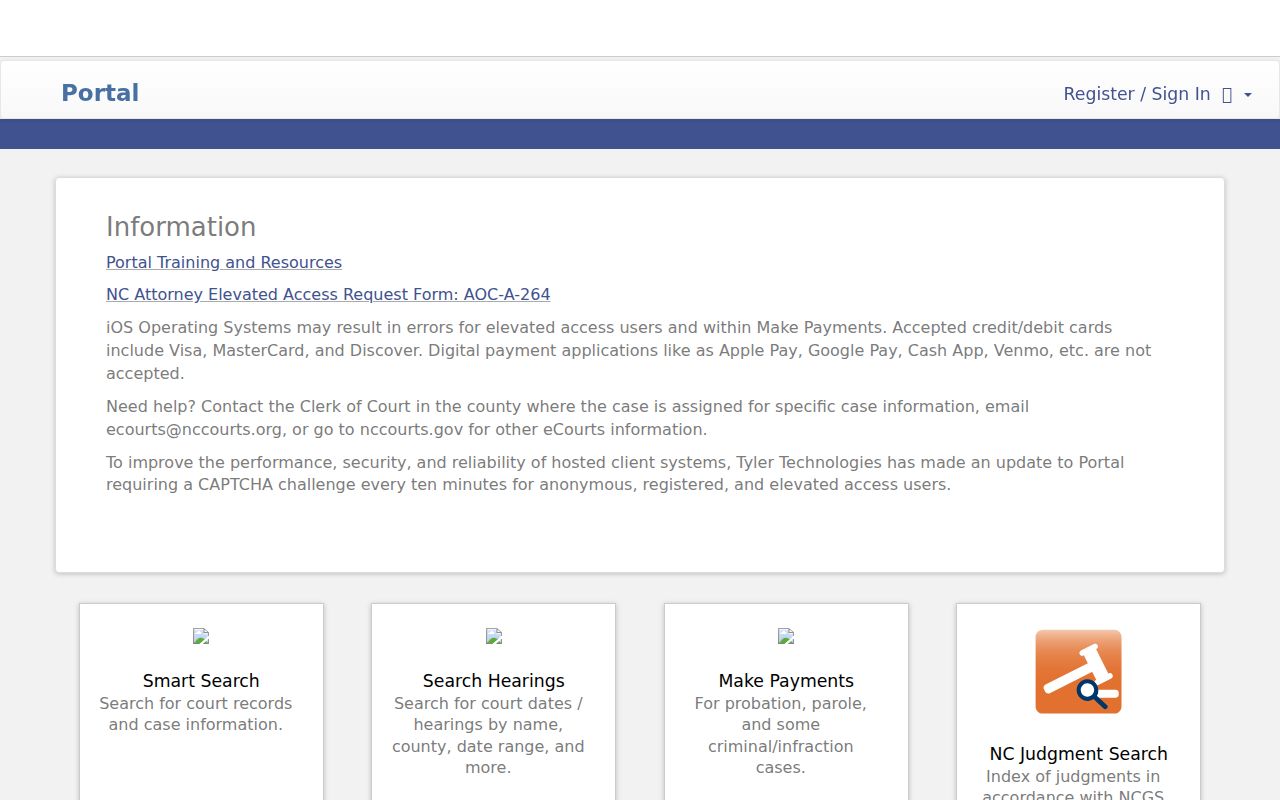
North Carolina eCourts is the public index for Wake District 10 cases, estates, special proceedings, and other court matters after statewide implementation was completed on October 13, 2025. A party-name search is the practical start. Narrow a common surname by location, case type, status, and filing-date range. The result list can show case number, party name and type, status, and location. Opening a case may show events, dispositions, hearings, and financial information where available.
A court result is not a positive identity finding or a certified record. Birth dates are masked and juvenile, sealed, expunged, adoption, victim, and other confidential material may be absent. The Wake Clerk can provide files, inspection access, and a certified single-county name check. The web portal has a 200-result cap, so a narrower search is usually more useful than a broad one.
Review the NC eCourts Portal before starting a name search.
Morrisville Vital Events Have Different Counters
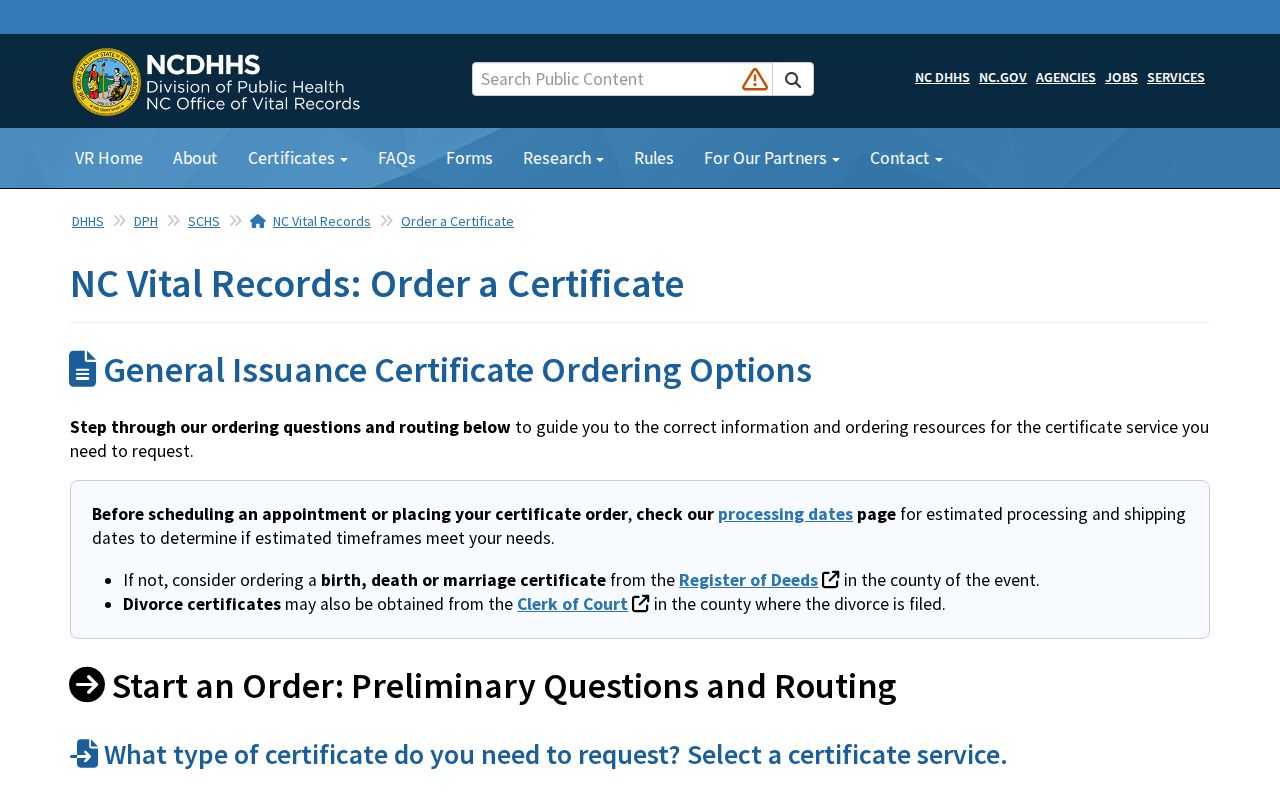
Vital records follow the event and the county, not merely the mailing city. Wake Register of Deeds can issue eligible copies for Wake events, while North Carolina Vital Records handles statewide certificates and indexes. The state research ranges begin at 1913 for births, 1930 for deaths, 1962 for marriages, and 1958 for divorces. Earlier events may route to a county office, Clerk, or the State Archives. Confirm the county of the event before paying for a request.
The state order form requires the certificate type, event details, the person named, requestor information, and payment. Certified copies have eligibility limits under state law. A noncertified index or historical image is not the same as a certified copy. For Wake records, the county's online request path and counter are alternatives to the state route; for a Durham event with a Morrisville label, use the correct Durham custodian instead.
Check the North Carolina vital-record order form for the record type and request fields.
Note: North Carolina research did not establish one universal historical opening period for birth and death records.
Morrisville Requests Reach Records Offline
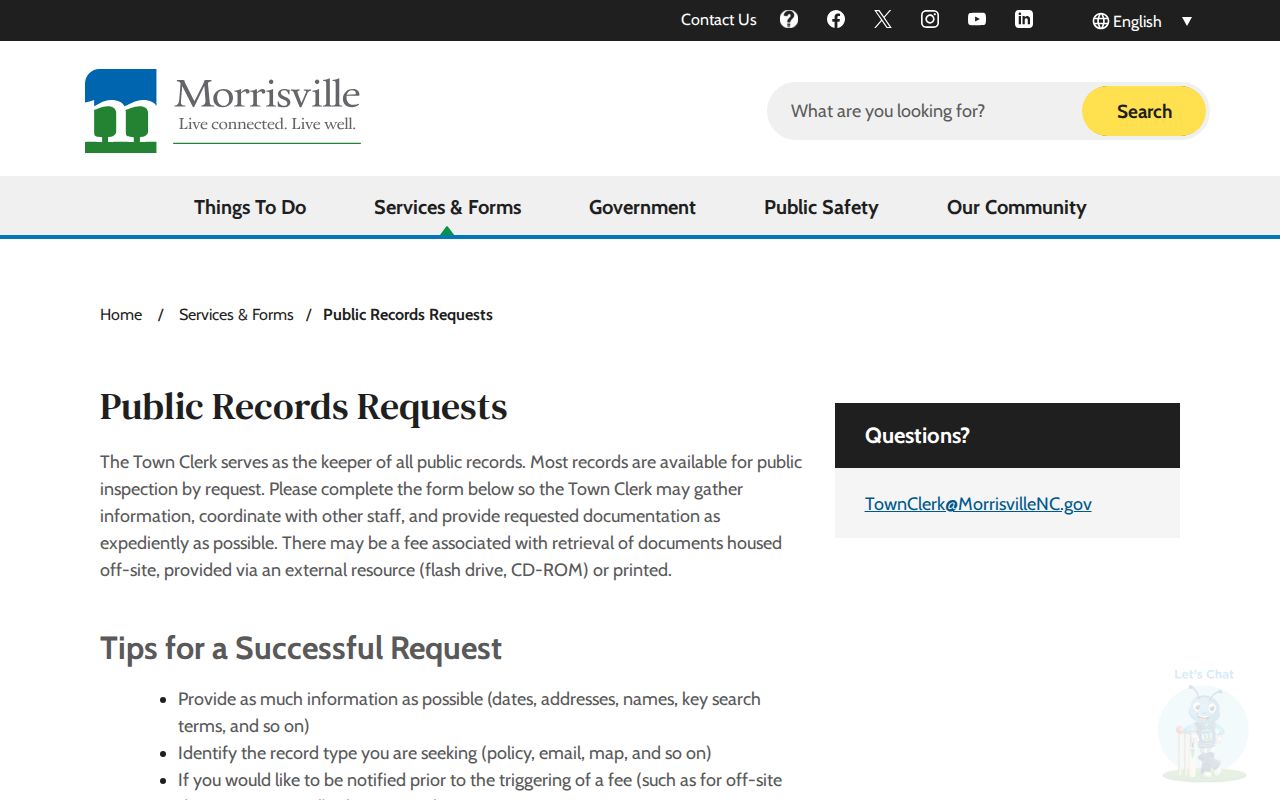
When a Town record is not exposed by a public portal, the Town Clerk is the municipal gateway. The request page routes planning and development records, police or accident material, and other Town records through the appropriate channel. A focused request identifies the record type, date range, street or property address, names, and keywords. Asking a general question instead of naming a record can produce a less useful response. The Town notes that off-site retrieval, external storage, media, or extensive printing can create charges.
North Carolina Public Records Law requires inspection at reasonable times and copies as promptly as possible, but it does not require an agency to create a new resident list or answer an open-ended research request. A Town request works alongside, not in place of, Wake deed, court, property, or state-vital channels.
Start at Morrisville Public Records Requests when the record was created by a Town department.
Morrisville Archive Shelves Fill Gaps
Olivia Raney Local History Library is the main Wake shelf for historical directory research, property maps, and deed microfilm or fiche. Its cataloged Raleigh-area directory holdings include R.L. Polk, Hill, Branson, Maloney, Wills-Smith, and other title variants from 1880 through 2004, but they are not a continuous annual run. The library is a reference, noncirculating collection, so call ahead to confirm the particular year and whether a Morrisville address may be filed under Raleigh, Wake County, or a neighboring label.
When the shelf is missing a year, keep that fact separate from a negative name result. NC Archives finding aids, FamilySearch county marriages, probate records, estate files, newspapers, and the Wake Historical Society can extend the investigation. A directory entry may place a printed name at an address, but parcel records and deeds keep ownership distinct from a listed occupant. The detailed shelf and tracing method is on the Morrisville city directories page.
Morrisville ZIPs Cross Record Boundaries
A Morrisville ZIP is a mail-routing clue, not proof of Town limits or county custody. The North Carolina Department of Revenue table lists 27560 for both Durham and Wake counties. RTP guidance also says 27709 is a post-office label that cannot be used for street mail, while Wake County RTP addresses and Durham County addresses south of Hopson Road use Morrisville 27560. Use the Town corporate-limits and county-line layers before selecting an office.
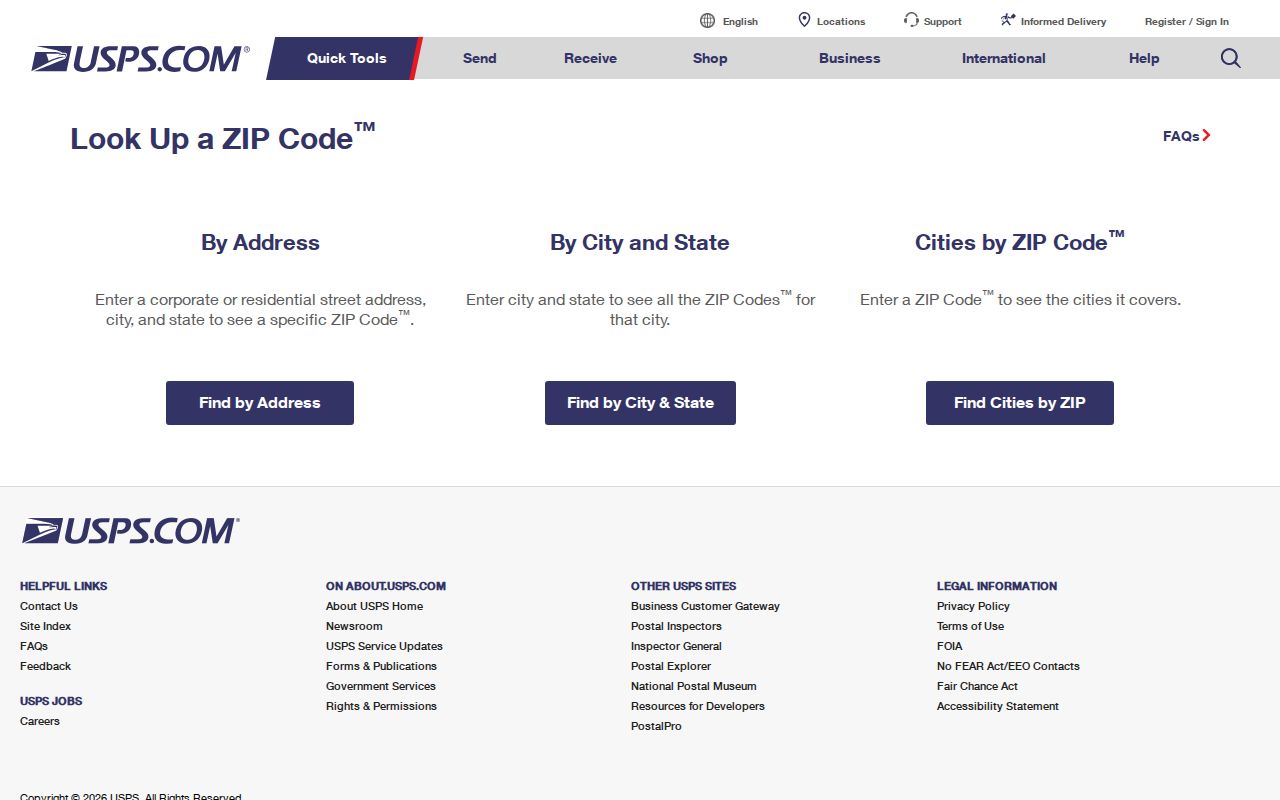
USPS can validate a mailing label at the address level, but it does not prove that a person or organization is present there. It is useful beside the parcel and map check, especially for 27513, 27519, 27703, and 27717, which are associated with broader neighboring geography. The ZIP directory explains that address-level routing workflow in more detail.
Use the USPS ZIP lookup as a delivery-address check.
Morrisville Searches Start With Privacy
Public access has important limits. The NC Department of Justice Address Confidentiality Program lets eligible survivors use a substitute address, and protected voter addresses are withheld under state rules. The state also limits DMV personal information, while vital, sealed, adoption, and court material can have separate restrictions. A public record does not authorize following or exposing a person. Preserve only the information needed for a lawful, personal research question and stop when the official trail is restricted.
North Carolina stalking law, G.S. 14-277.3A, makes clear that monitoring or harassing another person can be unlawful even when isolated data came from a public source. If a record appears inaccurate, save the source URL, date, record number, and exact field, then ask the originating custodian about correction. A directory cannot change the source record.
Historical Morrisville Resident Directories
Morrisville historical searching relies on regional collections rather than a verified Morrisville-only printed run. Olivia Raney's catalog holds Raleigh-area directories with noncontinuous years from 1880 to 2004 and several publisher names. Its Wills-Smith Raleigh Criss-Cross Directory title is the key reverse-address lead. Start in the address section, copy the listed name exactly, then verify it in the alphabetical section. Preserve abbreviations and page numbers, because their meaning varies by volume.
Printed directories date a listing, not continuous residence or ownership. Pair the printed address with the closest public census, then use Wake property records, a plat, and the deed chain to identify the parcel. Newspapers, probate, obituaries, microfilm, and State Archives records can explain a disappearance or change of name. The gaps in the catalog are part of the evidence: a volume that was never held is not proof that a person was absent.
Morrisville History Leaves Different Record Trails
Morrisville grew from a railroad-era community, but its local history sources use more than one milestone. Town Fire and Rescue history ties an 1875 charter to the growing railroad town, records a 1933 charter repeal, and notes a 1947 re-charter. A Town financial report separately uses 1852 as an incorporation date. Those labels should remain distinct instead of being flattened into one origin date. They explain why a historical name search often needs Wake and Raleigh materials as well as a modern Town label.
Record access has its own timeline. The Wake legacy deed index ends at the April 2025 application boundary, and eCourts changed the public case-search route in October 2025. Earlier address work may pass through printed directories, microfilm, FamilySearch images, and State Archives finding aids before reaching the current property system. Note the custodian and year for each item, rather than combining unlike records into one claim about a past household.